The problem
AI models learn from data. Most of the world has never been recorded.
Remote sensing, web scraping, and licensed datasets cover the places and events that already had infrastructure to document them. The gaps — active markets, ground-level conditions, real-time physical state in low-documentation environments — cannot be filled from a satellite or a server.
The result is a structural bias in training data that compounds with every model generation. The world most AI systems reason about is not the world most people live in.
Our approach
A human observation network, operating like infrastructure
Afreka dispatches verified observers — people already present in the environments AI needs to understand — to collect structured physical-world data on demand. A request comes in. We route it. An observer captures it. The result clears verification and returns as a geocoded, time-stamped record ready for model ingestion.
We started in Africa because that is where the data gap is largest and the cost of not closing it is highest. The architecture generalizes. Any geography where ground truth is scarce and the demand for it is real is within scope.
This data cannot be scraped, licensed from a third party, or produced remotely. It exists because someone went there.
- Ground-level
- Data type no remote system produces
- On-demand
- Dispatched within hours, not weeks
- Africa-first
- Largest unstructured ground-truth gap
Team
The people building it
Three people who started with a research question and built a network around the answer.

Benjamin Lopez
Co-Founder · COO
Systems Engineering
Designs the infrastructure that turns a raw dispatch into a closed, verified record. Every observer task, every verification pass, every structured output routes through systems he built.

Elul Neddi
Founder · Chief Strategist
Perception
Started with a single question: why does the world's most useful data not exist in structured form? Built Afreka around the answer. Leads strategy, network architecture, and how the organization thinks about what it's actually doing.
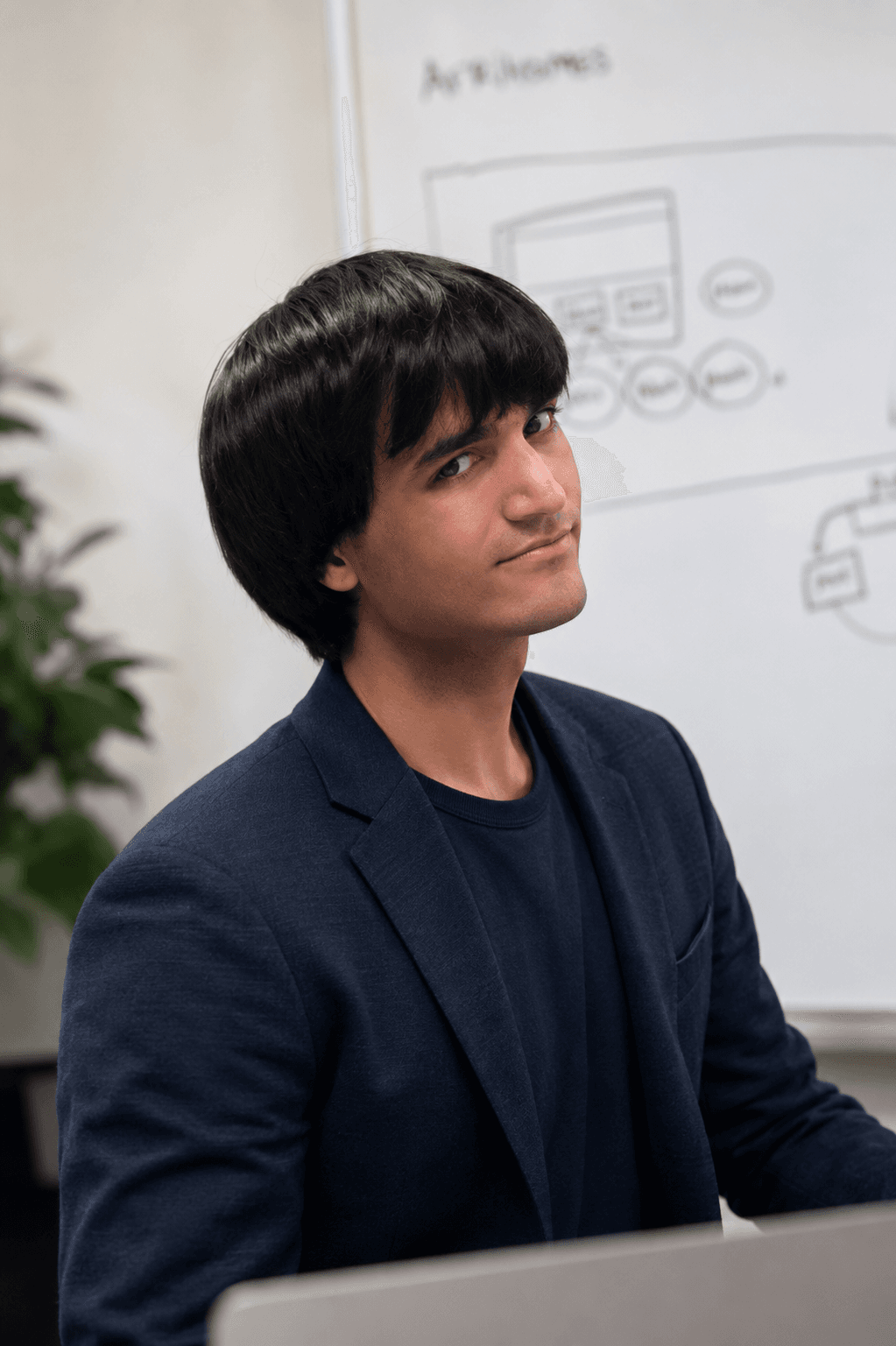
Collin Faber
Co-Founder · CTO
Analytics & Security
Turns observations into verifiable, tamper-resistant records. Responsible for the analytical layer that makes raw field data trustworthy enough for model training at scale.